Meet Heather: Hampton Principal
Posted: November 04, 2026 | Written By: Drew Delligatti | Category:
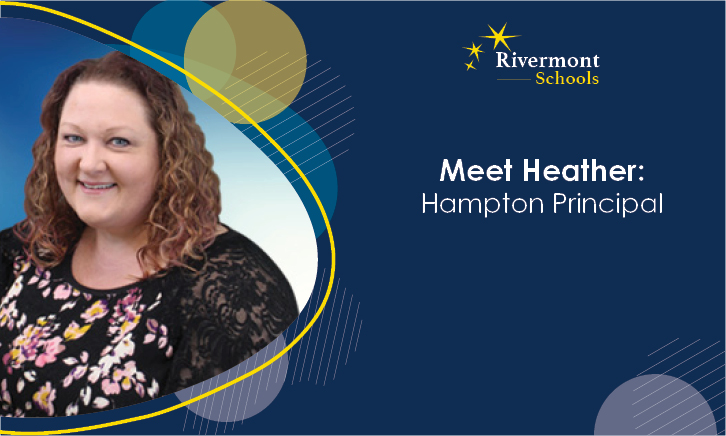
After joining Rivermont as a special education teacher 16 years ago, Heather Pinzon now serves as principal of Rivermont Hampton. She shares what has shaped her career, her approach to leadership, and her vision for the school.
Can you talk about your career trajectory and what led you to where you are now?
Sixteen years ago, I returned to education after a rewarding career in hotel food and beverage management. A friend shared an opportunity at Rivermont Tidewater, and I started as a special education teacher. I quickly rediscovered my passion for teaching while gaining a deeper appreciation for the impact of individualized instruction, behavioral interventions, and meaningful relationships.
Over the years, I've watched Rivermont grow and found opportunities to grow alongside it. Moving into educational leadership allowed me to support not only students but also the educators who serve them. Today, as principal of Rivermont Hampton, I lead with the belief that strong relationships, high expectations, and the right supports help students succeed.
What do you love most about working in special education?
What I love most is seeing potential where others may only see challenges. Every student has unique strengths, and some of the most rewarding moments are the ones others might consider small: mastering a new skill, managing emotions, building confidence, or beginning to believe in themselves.
Special education has taught me that success looks different for every student. It's about meeting students where they are, building relationships, and celebrating progress. Even as a principal, those moments inspire me because our work can help students see what they're capable of achieving, both in school and beyond.
What kind of environment do you want to create for Hampton students?
I want Rivermont Hampton to be a place where every student feels safe, valued, understood, and, most importantly, like they belong. When students know the people around them genuinely care and believe in their potential, they are more willing to take risks, work through challenges, and discover their strengths.
That environment also requires consistency, clear expectations, and encouragement. Positive behaviors should be taught and celebrated, and mistakes should become opportunities for growth. Our students deserve both compassion and high expectations. My hope is that they leave Hampton with greater confidence and the academic, behavioral, and social-emotional skills to succeed beyond our doors.
What makes Rivermont Hampton special?
The people make Hampton special. Our educators, support staff, and therapeutic professionals share a genuine commitment to understanding each student's story, recognizing their strengths, and providing individualized support. We celebrate the small victories as much as the big milestones because we know how meaningful each step forward can be.
There's something powerful about watching a student who once struggled begin to trust, engage, grow, and believe in themselves. No one person makes that happen alone. It's the shared purpose of our entire team, and the difference we hope to make in students' lives long after they leave us, that makes Hampton such a special community.
How does the Hampton team support challenging behaviors?
We recognize that challenging behaviors often reflect skills students are still developing. Our approach is preventive, predictable, and proactive. Through clear expectations, consistent routines, positive reinforcement, and our schoolwide PBIS framework, we help students understand and practice more successful choices.
Our teachers, mental health associates, and therapeutic staff collaborate to identify behavioral patterns and potential triggers, using data rather than assumptions to guide their strategies. We also view challenging moments as opportunities to teach self-regulation, communication, and problem-solving. The goal isn't simply to reduce challenging behaviors; it's to replace them with skills that build independence and confidence.
How would you describe your leadership style?
I would describe my leadership as collaborative, intentional, and grounded in leading by example. I believe in bringing people together, recognizing their strengths, and giving them opportunities to contribute. I have high expectations, but I also want staff to have the guidance, resources, and encouragement they need to grow.
Leadership also requires flexibility. Sometimes you need to listen or coach; other times, you need to make a difficult decision. I try to approach those moments with fairness and transparency while remaining present and involved. I would never ask my team to do something I wouldn't be willing to do myself, whether that's stepping into a classroom or helping through a challenging situation.
What is your vision for partnering with districts and families?
I've always believed “it takes a village.” Schools, families, and districts each bring important perspectives, and students benefit when we're working toward the same goal. I want partnerships built on trust, open communication, and meaningful collaboration, with families and districts actively involved rather than simply receiving updates.
That also means listening when perspectives differ and approaching difficult conversations with mutual respect. At Hampton, I want to strengthen connections through consistent communication, meaningful data sharing, and opportunities to work together. Our partners should understand both the progress students are making and the challenges we're addressing so we can support students as a team.
What does success look like over the next year?
For students, success means measurable academic, behavioral, and social growth, along with the skills and confidence needed for successful transitions. For staff, it means continued professional development, stronger collaboration, and pride in the difference they make each day.
I also want our program to keep improving through data-driven decisions, consistent practices, and strong partnerships with families and districts. Success isn't one achievement or a single number. If our students are better prepared, our staff feel empowered, and our school continues moving forward with purpose, I'll consider that a successful year.
What is a fun fact about you?
Before becoming a principal, I worked in hotel food and beverage management! I traded menus and banquet service for lesson plans and school bells. Both careers have taught me the importance of working with people, thinking on my feet, and embracing a little organized chaos!